
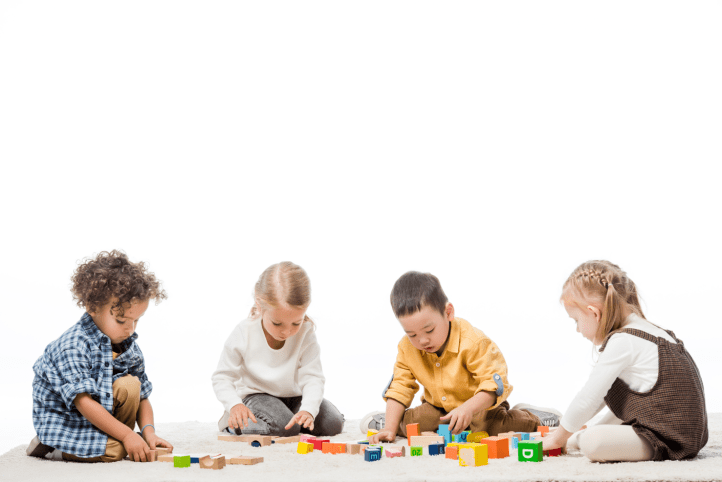
The early years of childhood lay the foundation for lifelong learning, behavior, and well-being. These formative years are a critical time when children develop essential cognitive, social, and emotional skills that prepare them for the challenges of the future. Recognizing the tremendous impact of early education, more parents are turning to childcare and preschool programs to ensure their children get the best possible start in life.
Childcare and preschool programs offer structured environments where young learners explore foundational academic concepts and develop vital social and emotional skills. These early educational experiences provide an indispensable framework for future success, shaping confident, adaptive, and capable individuals.
This post explores how childcare and preschool programs contribute to children’s social skills, cognitive growth, emotional well-being, and overall development, ensuring they are well-prepared to meet the future head-on enthusiastically.
Development of Social Skills
Relationship and Communication Building
Childcare and preschool programs offer children the chance to interact in group settings, laying the groundwork for essential interpersonal skills. Through shared activities, structured play, and collaborative tasks, children learn to work with others—whether it’s taking turns, sharing toys, or cooperating on small group projects.
This setting also nurtures communication. From understanding verbal and nonverbal cues to expressing their thoughts and needs, young children gradually improve their basic communication skills. Activities such as storytime, show-and-tell, and group discussions encourage them to articulate their ideas effectively while building confidence in their speaking abilities.
Conflict Resolution and Empathy
Learning to manage disagreements is a critical part of social development, and early educational programs provide a safe and supportive environment to practice these skills. Children are guided by educators to understand alternative perspectives, fostering an environment of mutual respect and teamwork.
Educators also play a key role in teaching empathy, showing children how to put themselves in others’ shoes and respond with kindness. These lessons help children think beyond their own needs and learn the value of compassion, ultimately setting them on a path to building meaningful relationships throughout life.
Cognitive Growth
Early Learning Foundations
Preschool programs introduce young learners to foundational literacy, numeracy, and problem-solving concepts. These activities form the building blocks of cognitive development, setting the stage for future academic success.
For example, engaging activities like storytelling, simple counting games, and pattern recognition exercises not only seize children’s curiosity but also nurture critical thinking. The age-appropriate design of these lessons ensures that children remain interested and gain a sense of accomplishment as they solve problems and master new concepts.
Curiosity and Creativity Cultivation
Early education excels in fostering curiosity—a fundamental trait that drives a lifelong love for learning. Through exploration and questioning, children uncover answers about their world. Childcare environments encourage this discovery process, often utilizing play-based learning as a tool.
Play-based learning inspires cognitive flexibility, allowing children to think outside the box and develop creative solutions to problems. Whether through building with blocks, crafting art, or role-playing scenarios, children expand their creative abilities in ways that traditional instruction cannot.
Emotional Well-Being
Building Self-Confidence
Structured environments in childcare and preschool settings create opportunities for children to grow their independence and resilience. Tasks such as cleaning up after playtime, choosing activities, and participating in group tasks offer children a sense of responsibility and achievement.
Positive reinforcement plays a vital role in this process. Educators consistently encourage children, celebrating their efforts and small milestones. Over time, this nurturing environment builds a strong sense of self-worth, giving children the confidence to take on new challenges and tackle adversity.
Managing Feelings
Understanding and managing emotions can often be overwhelming for young children. Within the supportive setting of childcare programs, children learn to identify their emotions, express them constructively, and develop strategies to manage them.
Through guided activities such as discussions about feelings or using emotion charts, children become more in tune with their internal states. Educators further ensure that children feel safe and understood, creating an environment where youngsters learn to handle setbacks with composure and develop emotional resilience.
Lifelong Advantages
Academic Achievement
Early education serves as the foundation for long-term academic success. By introducing skills such as persistence, focus, and organization, childcare and preschool programs create enthusiastic learners who are more likely to excel in later educational settings.
Continued exposure to structured learning environments sharpens not only academic skills but also the motivation to explore new ideas. This curiosity and determination can positively influence a child’s approach to challenges in their academic and personal lives.
Social and Emotional Competence
Strong social and emotional skills are indispensable for navigating life. Children who have experienced early education programs are typically more adaptable, demonstrating better teamwork and communication skills as they grow.
By the time they reach adolescence and adulthood, these individuals display higher emotional intelligence and a strong sense of collaboration, making them more equipped to succeed in diverse social and professional environments.
Contribution to Society
The ripple effects of early educational experiences extend far beyond childhood. Individuals raised in nurturing early education environments are more likely to achieve career success, contribute meaningfully to their communities, and build fulfilling lives.
Investing in high-quality childcare and preschool programs benefits not just individual families but society as a whole. It builds the foundation for a future workforce that is capable, innovative, and ready to address the challenges of tomorrow.
Empowering the Future Through Early Education
Childcare and preschool programs like Northern Lights Preschool & Child Care play a pivotal role in shaping the leaders, thinkers, and compassionate individuals of the future. From strengthening social skills and fostering cognitive development to nurturing emotional resilience, early education equips children with tools they will use throughout their lives.
The impact extends beyond individual achievements, influencing societal progress and encouraging thriving communities. By championing and supporting quality early education initiatives, we all contribute to building a brighter, more equitable future for the next generation.
 Class Education School